
BCAA For Beginners in India – Do They Really Work? | Click Here For Branched-chain amino acids
Find The Best Health Dangers in Protein Supplements| Check Out On Amazon
Benefits, Side Effects, Best Time to Take, BCAA vs EAA
What are BCAAs? BCAA For Beginners in India – Do They Really Work?
BCAA For Beginners in India – Do They Really Work?. BCAAs are three essential amino acids: Leucine, Isoleucine, and Valine. “Essential” means your body cannot produce them and you must get them from diet.
Leucine triggers muscle protein synthesis (the “on switch” for building muscle).
Isoleucine and Valine help with energy and recovery.
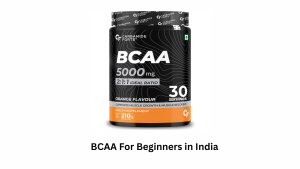
Most BCAA powders come in a 2:1:1 ratio of leucine:isoleucine:valine. You’ll also find 4:1:1 or 8:1:1, but 2:1:1 is the most researched.
Do BCAAs really work? BCAA For Beginners in India – Do They Really Work?
Short answer: sometimes, yes, but not for everything people expect.
Where BCAAs can help
During fasted training or long cardio: They supply amino acids when no protein is available and may reduce breakdown.
Cutting phases: Can help preserve lean mass when calories are low.
If your daily protein is low: BCAAs can provide leucine to stimulate synthesis between meals.
Where BCAAs won’t help much
If you already eat enough protein (1.6–2.2 g/kg/day) or take whey: You likely have enough BCAAs and other essential amino acids. Adding a BCAA drink may not improve muscle gain.
As a replacement for protein: BCAAs alone do not provide all the essential amino acids required to build new muscle tissue.
Bottom line: BCAAs are a tool, not a shortcut. If budget is tight, prioritize whey or EAAs first, then consider BCAAs for specific use cases.
Evidence-based benefits BCAA For Beginners in India – Do They Really Work?
Reduced muscle soreness (DOMS): Many users report less soreness. Research shows small to moderate reductions, especially when training fasted or with low protein intake.
Fatigue resistance: Isoleucine and valine can be used for energy and may reduce perceived exertion in long sessions.
Muscle retention during a cut: Helps limit breakdown when calories or protein are low.
What BCAAs won’t do: They won’t replace a high-protein diet, correct poor training, or melt fat by themselves.
Who should consider BCAAs?
Intermittent fasting athletes who lift or do cardio early without a meal.
Cutting/weight loss phases to support muscle retention.
Vegetarians or vegans who struggle to hit protein targets and want an intra-workout drink.
Endurance athletes during long sessions who want a light amino drink.
If you already meet protein needs daily and train fed, your results from BCAAs may be minimal.
Best time to take BCAAs
Intra-workout: Sip during training for energy and to reduce breakdown.
Pre-workout (15–30 min): If you train fasted or on low calories.
Between meals: If your meals are low in protein and far apart.
Typical dose: 5–10 g per serving with a 2:1:1 ratio.
How to read BCAA labels on Amazon India
When comparing BCAAs, check:
Ratio and grams per scoop: Look for a clear 2:1:1 and at least 5 g total BCAAs.
Third-party testing: Choose brands that mention testing or quality certification.
Added electrolytes: Useful for Indian summers and sweaty sessions.
Caffeine or stimulants: Optional. If you train at night or are sensitive, choose stim-free.
Sweeteners and flavor: Sucralose and acesulfame-K are common. Pick flavors you can drink daily.
Serving count and cost per serving: Multiply price ÷ servings to get the real value.
Vegan/vegetarian source: Many BCAAs are vegan. Look for labels if this matters to you.
Sample ways to stack BCAAs
Fasted lifter: 7–10 g BCAA + electrolytes during training, whey after.
Cutting: 5–7 g BCAA intra + high-protein meals to hit targets.
Endurance day: BCAA + electrolytes in bottle 1, carbs in bottle 2 for long rides/runs.
Low-protein lunch days: 5 g BCAA between meals, but try to fix the meal first.
Safety, side effects, and who should avoid
BCAAs are generally well tolerated. Possible issues:
GI discomfort if taken in large doses without water.
Interactions: If you have medical conditions or take medications, talk to your doctor.
Pregnancy/breastfeeding: Avoid unless your doctor approves.
Kidney/liver conditions: Use only with medical advice.
Stick to the recommended dose and drink enough water.
BCAA vs real food BCAA For Beginners in India – Do They Really Work?
You can get BCAAs naturally from dal + rice, paneer, milk/curd, eggs, chicken, fish, and soy. Supplements are convenient and fast, but your foundation should always be whole food plus a solid protein source.
Sample BCAA usage plan (4 weeks)
Week 1–2:
Training fasted or in heat: 7 g BCAA + electrolytes during training.
Rest days: Skip BCAA, focus on protein intake.
Week 3–4:
If soreness and energy improved, continue.
If no difference and your protein is high, consider stopping BCAA and reallocating budget to whey or creatine monohydrate.
Track your sleep, soreness, and performance. Keep what helps. Drop what doesn’t.
Frequently asked questions BCAA For Beginners in India – Do They Really Work?
1) Can BCAAs build muscle by themselves?
Not effectively. BCAAs trigger synthesis but do not provide all building blocks. For growth, you need all essential amino acids from food, EAAs, or protein.
2) What’s the best ratio?
2:1:1 is the most researched and balanced for leucine, isoleucine, and valine.
3) BCAA or EAA?
If you want a lean intra-workout drink with a mild taste, BCAA is fine. If muscle building is the goal and you do not want a full protein shake, EAA is more complete.
4) BCAA or Whey?
Whey wins for overall results and value. Use BCAA for fasted or long workouts, or if you want something lighter than a shake.
5) Can beginners use BCAAs?
Yes, but beginners usually get more from consistent protein intake, creatine, and a program with progressive overload.
6) Are BCAAs safe for women?
Generally yes, at standard doses. Check labels if pregnant or breastfeeding and speak to a doctor.
7) Can I take BCAA on rest days?
You can, but it is rarely necessary if your meals have enough protein.
Final verdict BCAA For Beginners in India – Do They Really Work?
BCAAs can help reduce soreness and support training when you are fasted or cutting. They are not a full muscle-building solution on their own. If you are on a budget, get your daily protein in order first with whole foods or whey. Consider EAAs if you want a complete amino profile without a full shake. Add BCAAs as an intra-workout drink if it fits your routine and you notice a difference.